

Rental potential in Hemet becomes much easier to evaluate when you focus on measurable signals instead of hopeful assumptions. By reviewing local rent ranges, neighborhood-level amenities, property condition, and realistic operating costs, investors can compare opportunities with more confidence. The goal is not to predict a perfect outcome, but to build a reliable framework that helps you spot stronger cash-flow candidates and avoid expensive surprises.
Start With Rent Reality, Not Best-Case Scenarios
It is easy to overestimate income when a listing looks clean, updated, and attractively priced. A smarter first step is to ask what similar homes are actually leasing for right now in Hemet, not what an optimistic spreadsheet says they could command. Look at recent rental listings with similar bedroom counts, lot sizes, parking, condition, and proximity to everyday conveniences. Even small differences like central air, a refreshed kitchen, or extra off-street parking can shift the rent range more than investors expect.
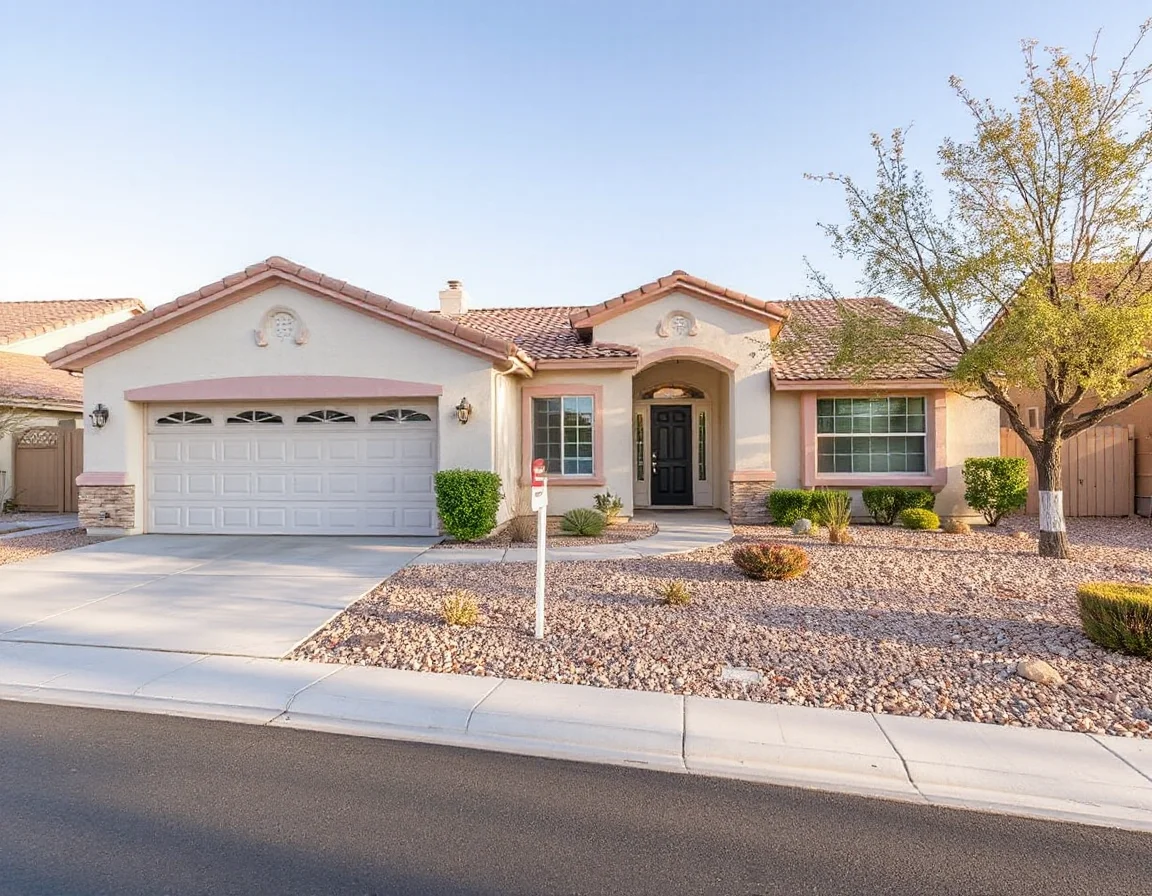
That same discipline applies when reading listing remarks. Fresh paint and staged photos can make a property feel like a premium rental, but residents ultimately compare function and location. Is the floor plan practical? Is there usable outdoor space? Is the garage intact or converted? How much deferred maintenance is visible from the first showing? Investors who anchor on actual market comparables instead of presentation tend to make steadier decisions.
If a deal only works at the top of the rent range, it may not be resilient enough. Stronger opportunities often still make sense when you underwrite slightly below the most optimistic asking rents.
In Hemet, rental demand can vary block by block based on access to shopping corridors, commuter routes, parks, schools, and medical services. That makes hyperlocal research more useful than countywide averages. A rental estimate pulled from a broad data site can be a starting point, but it should never be the final word on income potential.
Pay Attention to Features That Affect Day-to-Day Livability
When investors talk about value, they often focus on price per square foot. Renters, however, tend to respond to practical details that shape daily use of the home. In Hemet, that can include shade, energy efficiency, laundry setup, storage, parking convenience, and the condition of major systems during warmer months. A property with ordinary finishes but solid systems may outperform a prettier home that needs constant repair.
Layout matters too. A well-separated bedroom arrangement, open living area, or flexible bonus space can broaden the pool of prospective residents without relying on guesswork. Outdoor maintenance is another key factor. A large yard may look appealing in listing photos, but if it requires significant upkeep, it could add expense or narrow your pricing flexibility. Investors should weigh whether the property is easy to maintain as a rental over several lease cycles.
Neighborhood context also deserves a grounded review. Instead of relying on vague impressions, note objective location factors: nearby retail centers, access to major roads, distance to recreation, healthcare, and established employment corridors throughout the Inland Empire. Those are the kinds of features that support consistent interest and can help limit vacancy periods.
Underwrite Expenses With More Honesty Than Optimism
Many investment analyses break down because the expense side is too thin. Taxes, insurance, maintenance, turnover costs, vacancies, utilities paid by the owner, landscaping, pest control, and property management all need room in the numbers. Hemet can present opportunity for investors seeking more attainable entry points than some neighboring markets, but that advantage disappears quickly if repair reserves are ignored.

A useful exercise is to model three scenarios: best case, expected case, and conservative case. In the best case, rent lands near the high end and repairs stay minor. In the expected case, you use market-average rent and ordinary upkeep. In the conservative case, you include a vacancy period and one moderate repair in the first year. If the property still performs reasonably in the expected and conservative versions, the deal may have stronger footing.
Condition should be examined through an investor lens, not just a buyer lens. An aging roof, old HVAC equipment, outdated electrical panels, or worn windows are not just inspection items; they are future cash-flow events. Hemet investors who identify these issues before writing an offer can often decide more clearly whether the asking price leaves enough margin for post-closing work.
A lower purchase price is not automatically the better investment. The stronger rental candidate is often the one with fewer near-term capital surprises and more predictable operating costs.
It also helps to estimate turnover realistically. Flooring durability, paint condition, appliance age, and exterior upkeep all affect how quickly a home can be refreshed between tenants. Properties that are simple to reset after move-out often reduce downtime and preserve returns over the long run.
Study the Street, the Block, and the Competition
One of the most overlooked parts of rental analysis is direct competition. Before moving forward, compare the property to other available rentals and recently leased homes in the immediate area. If similar homes offer updated kitchens, refreshed bathrooms, or stronger curb appeal, your subject property may need improvements to compete at the same price. On the other hand, if inventory is limited and the home offers clean condition and useful features, it may have an edge even without luxury finishes.
Drive the surrounding streets at different times of day if possible. Look for objective indicators like property maintenance patterns, traffic flow, nearby commercial convenience, and overall consistency of the block. Investors are not trying to make a personal lifestyle choice here; they are assessing whether the rental will present well online, show well in person, and remain competitive across future lease terms.

It is also worth paying attention to the broader Hemet market cycle. Inventory shifts, financing costs, and buyer demand all influence how easily an investor can acquire, improve, refinance, or exit a property later. Rental potential is not only about monthly income; it is also about flexibility. A home that works as a rental and remains marketable for resale can offer more options if your strategy changes.
Local guidance matters here. An agent with experience in the Inland Empire can often spot the difference between a property that merely looks affordable and one that has a more durable investment profile. That includes evaluating pricing strategy, repair scope, rent positioning, and whether a listing is likely to attract competing offers.
Talk through an investment property
Use a Repeatable Framework Before You Make an Offer
The most effective Hemet investors do not rely on intuition alone. They use a repeatable checklist: verify realistic rent comps, review condition with repair costs in mind, map operating expenses, compare nearby competition, and test the numbers under more than one scenario. That process will not eliminate every risk, but it does replace guessing with a clearer decision path.
For buyers exploring opportunities in Hemet, consistency is the advantage. When you evaluate every property the same way, patterns emerge fast. You begin to recognize which homes offer durable utility, which listings are priced as if upgrades already happened, and which properties may deserve a second look because the fundamentals are stronger than the marketing. In a market where margins matter, disciplined analysis is often what separates a promising rental from an expensive lesson.