
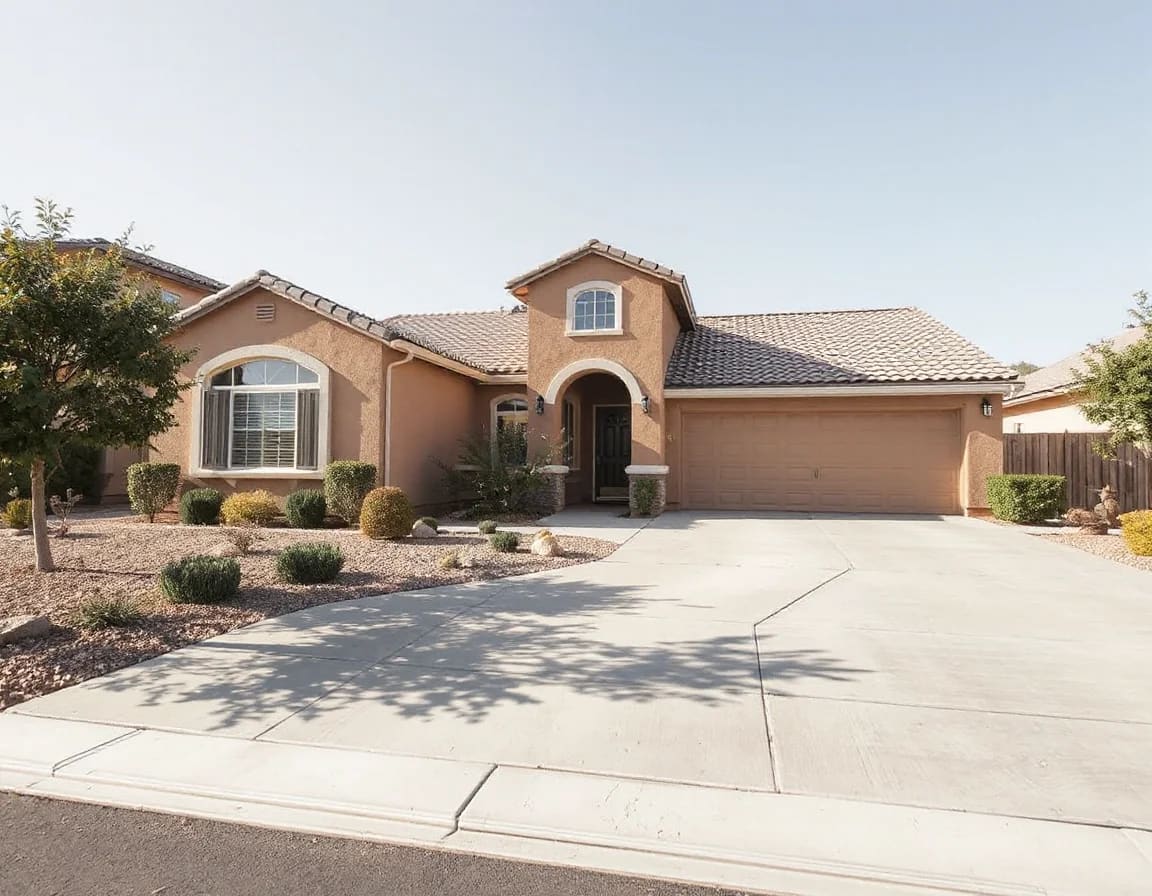
Before you write an offer in Menifee, it helps to look beyond the list price and study the market signals hiding underneath it. Pricing trends, time on market, concessions, inventory shifts, and neighborhood-level competition can all affect how aggressive or cautious your offer should be. A little extra analysis upfront can help you avoid overpaying, missing an opportunity, or entering negotiations without a clear strategy.
Why price signals matter before you submit an offer
List price is only one piece of the story. In Menifee, where inventory, builder activity, resale competition, and mortgage-rate changes can all influence buyer behavior, the smarter approach is to read the market in layers. Two homes with the same asking price can represent completely different opportunities depending on how long they have been available, whether similar homes nearby are reducing price, and how many competing buyers are currently active in that segment.
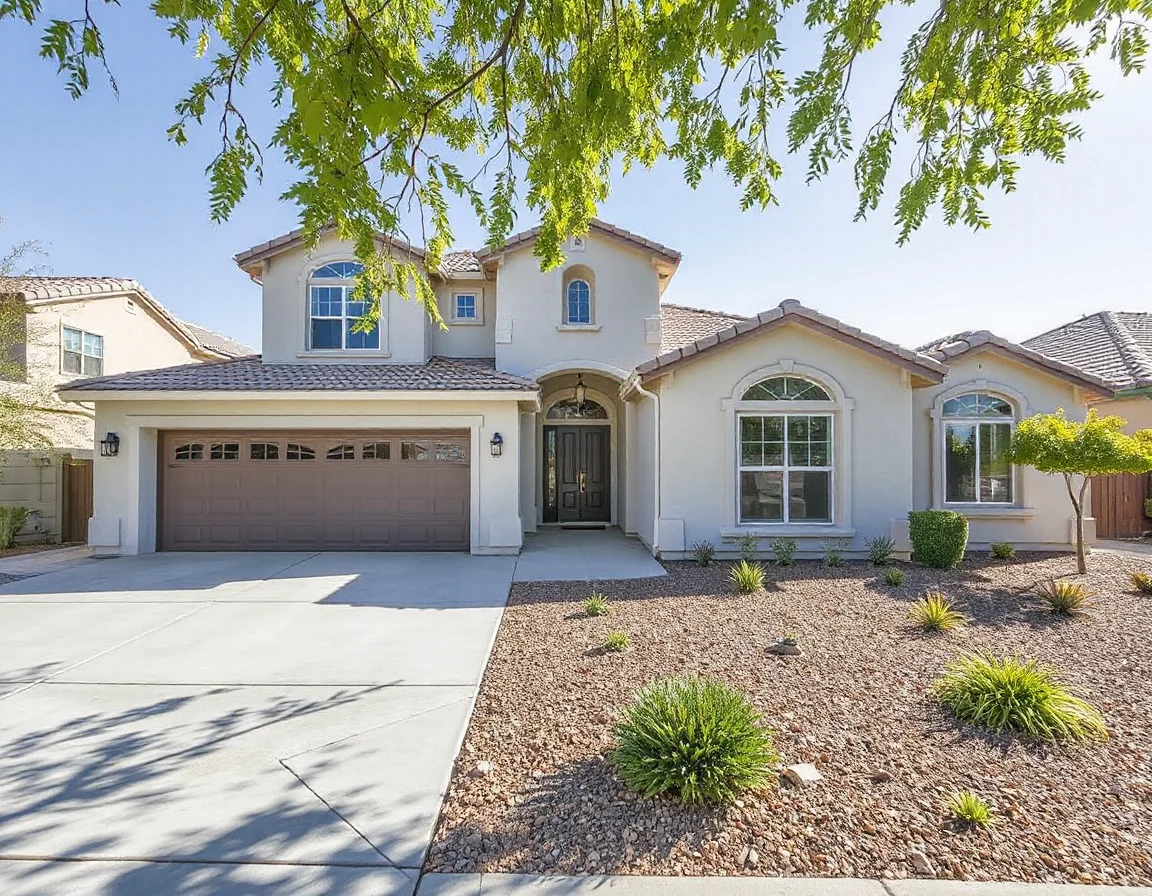
That is especially true in a market with a mix of newer communities and established neighborhoods. Some homes are priced to attract multiple offers quickly, while others are deliberately listed high to leave room for negotiation. Buyers who focus only on the sticker price often miss important clues that could strengthen their position. Watching the right signals helps you decide whether to move fast, hold firm, or negotiate for better terms.
Here are seven Menifee price signals worth reviewing before you make an offer.
1. Recent comparable sales are moving up, flat, or down
The first and most important signal is how recent comparable sales are behaving. Look at homes with similar square footage, lot size, age, condition, and location that closed within the last 30 to 90 days whenever possible. If those sales are trending upward month by month, a full-price or near-full-price offer may be more reasonable. If they are flat or softening, you may have room to negotiate.
Closed sales matter more than active listings because they show what buyers actually paid, not what sellers hoped to get. In Menifee, this can vary significantly by price point and neighborhood. One pocket may still be seeing strong demand while another has begun to slow, especially when buyers become more sensitive to monthly payment changes.
A home can look competitively priced against current listings and still be high if the latest closed sales tell a different story. The most useful pricing snapshot is always recent, hyper-local, and based on similar properties.
If the subject property is priced noticeably above recent comps, ask what justifies the premium. A remodeled kitchen, paid solar, a larger lot, or a stronger location within the community may explain it. If those differences are minimal, the price may be aspirational rather than market-supported.
2. Days on market reveal whether the asking price is sticking
Time on market is one of the clearest signs of whether buyers agree with the asking price. A fresh listing in excellent condition may naturally command stronger terms during its first few days. But if a home has been sitting for several weeks while similar properties went pending faster, that lag can indicate resistance at the current price.

That does not always mean there is something wrong with the property. Sometimes the home launched too high, entered the market during a quieter week, or simply missed the mark on presentation. Still, longer market time often creates negotiating space. Sellers may become more open to price adjustments, closing cost credits, or repair discussions once momentum has slowed.
Compare the home's days on market against similar pending and sold homes nearby. If the average well-priced home is moving in 10 to 14 days and this one is sitting at 35, that difference deserves attention. It can help you structure an offer that reflects market response rather than list price alone.
Just be careful not to rely on days on market in isolation. A beautifully updated property can still attract strong interest after a price improvement, and some sellers intentionally relist or adjust terms to reset momentum. The number matters most when paired with the other signals on this list.
3. Price reductions show where buyers have drawn the line
Price reductions are useful because they show the market pushing back in real time. If multiple similar homes in Menifee have cut prices in the same range or neighborhood, buyers are effectively signaling where the original pricing was too ambitious. That pattern can help you estimate where the true market value may be settling.
Watch not just whether reductions happened, but how quickly they happened and by how much. A modest reduction after two weeks might simply be a strategy to refresh attention. Several deeper reductions across comparable homes can point to broader softening or to a buyer pool that has become more payment-conscious.
When a seller has already reduced the price, some buyers assume they should automatically offer below the new number. Sometimes that works, but not always. If the reduction has suddenly generated more interest, the reset price may now be aligned with the market. The key is to look at whether the revised number is now competitive relative to pending and recently sold homes.
4. Seller concessions can matter as much as the sale price
A home's final sale price does not always tell the whole story if the seller also paid closing costs, bought down the buyer's interest rate, or agreed to repairs and credits. In a changing market, these concessions can become more common and can meaningfully affect the true economics of the deal.
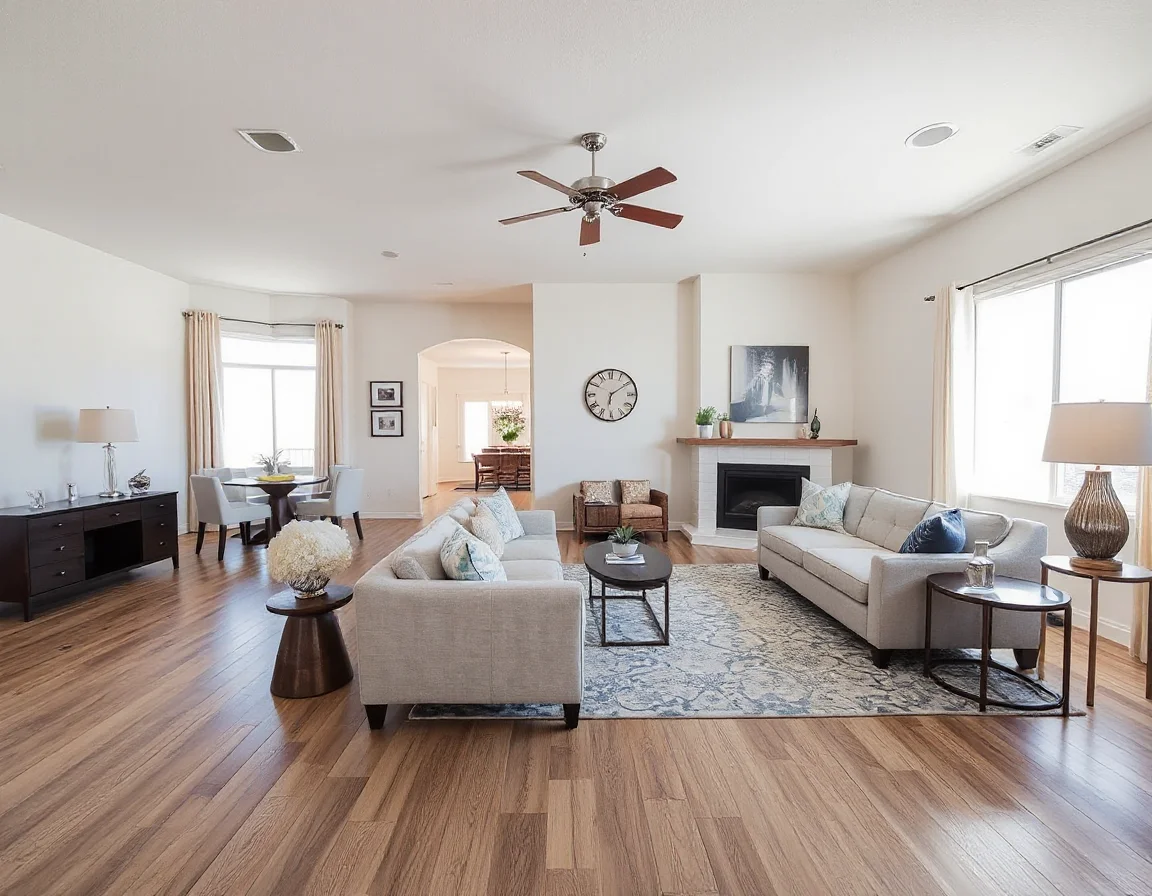
If comparable homes are closing near list price but sellers are regularly offering credits, a list-to-sale ratio alone may overstate pricing strength. Buyers should ask what terms are becoming normal in the area and price bracket they are targeting. In some cases, a slightly higher purchase price with a useful seller credit may work better for monthly affordability than a lower headline number with no concessions.
In a market where financing costs shape affordability, negotiated credits can shift the value equation quickly. Looking at net terms instead of just the contract price gives buyers a clearer picture.
This is one place where experienced representation can make a real difference. Reading the market means understanding what sellers are quietly willing to do, not just what appears in the public remarks or on the price history.
5. Inventory levels change your leverage
When inventory is tight, buyers often have less room to negotiate because sellers know alternatives are limited. When more homes are available, especially in the same size and price range, buyers can compare options more confidently and negotiate from a stronger position. Menifee can experience these shifts seasonally and by neighborhood, so local context matters.
If three similar homes are active and all appear well-priced, a seller may feel confident holding firm. If there are ten and several have already reduced price, your leverage likely improves. Inventory also interacts with condition: homes that need updates may face more pressure when turnkey options are abundant.
A smart offer strategy looks at the current supply for that exact slice of the market, not broad headlines. A citywide report may say inventory is rising, while the specific home type you want remains limited and competitive.
6. Pending activity shows where buyers are acting right now
Closed sales lag the market slightly, which is why pending activity is another useful signal. If similar homes are going under contract quickly, that indicates buyers are accepting current pricing in that segment. If pendings are sparse while actives are piling up, buyer resistance may be increasing.
This is especially helpful when interest rates or seasonal demand are shifting quickly. A pending sale from this week can tell you more about the present market than a closed sale from two months ago. Ask how many comparable listings have gone pending recently, how fast they moved, and whether the subject property appears stronger or weaker than those homes.
When pending activity is brisk, waiting too long can cost more than negotiating too hard. When pending activity is thin, patience and disciplined pricing analysis often pay off.
7. The home's condition and presentation affect whether price pressure is justified
Finally, evaluate the property itself with honesty. A clean, well-prepared home with quality updates, strong photography, and clear upkeep often earns better pricing support because buyers can see the value immediately. A home with deferred maintenance, outdated finishes, or a less polished presentation may invite more negotiation even if the floor plan and location are appealing.
That matters in Menifee because buyers often compare newer finishes, energy features, landscaping, and overall move-in readiness across multiple options in a short period. A seller may still price aggressively, but the market usually rewards homes that feel well-positioned relative to the competition.
Before writing an offer, step back and ask a practical question: if this home and two comparable alternatives were available at similar monthly cost, which one would most buyers choose today? The answer often reveals whether the asking price is realistic.
Reading these seven signals together can help you make a stronger decision and a more confident offer. Instead of reacting to list price alone, you can evaluate market direction, seller flexibility, and the real level of competition around the home you want. In a fast-moving environment, that kind of preparation can help you negotiate with clarity and avoid surprises once the offer process begins.